InnovaplusMaximum Co., Ltd.
INNOVAPLUS MAXIMUM CO.,LTD.
Head office: Room 357/1, 3rd floor (next to the car-park lift)
The Street Ratchada, 139 Ratchadaphisek Rd, Din Daeng, Bangkok 10400, Thailand
Tel. +66 87 785 0808
Tax ID 0-1055-58090-05-6

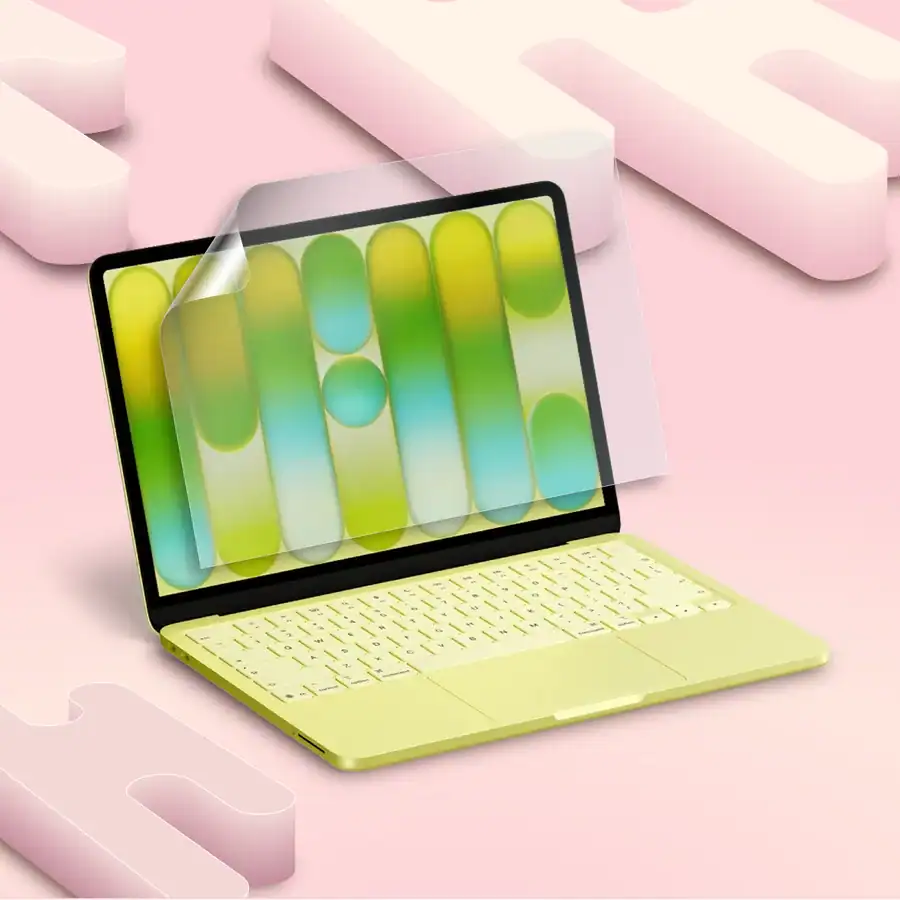
MAXIMUM makes and sells screen protectors and tempered glass made for each specific model, from phones, tablets and laptops to monitors, smartwatches and car displays. We can make film for any screen size and sell both retail and wholesale, because we’re the factory.
 Recommended⚲
 Custom orders⚲
 ⚲
 ⚲
 ⚲
 ⚲
 ⚲
 ⚲
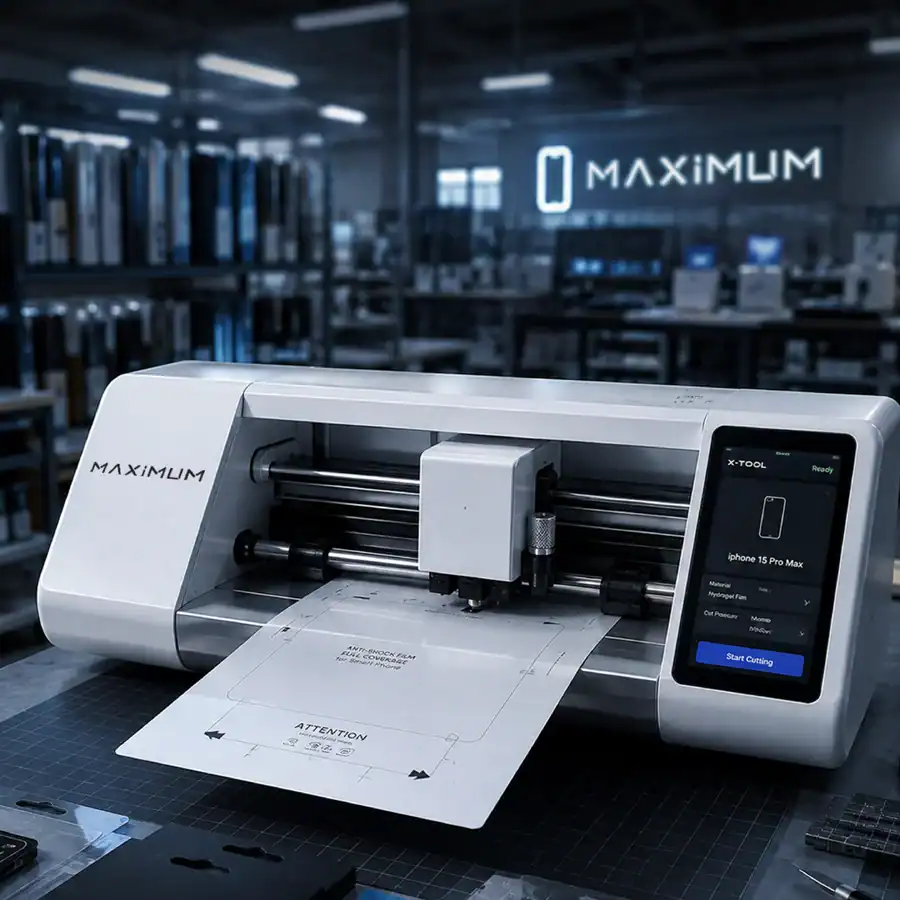
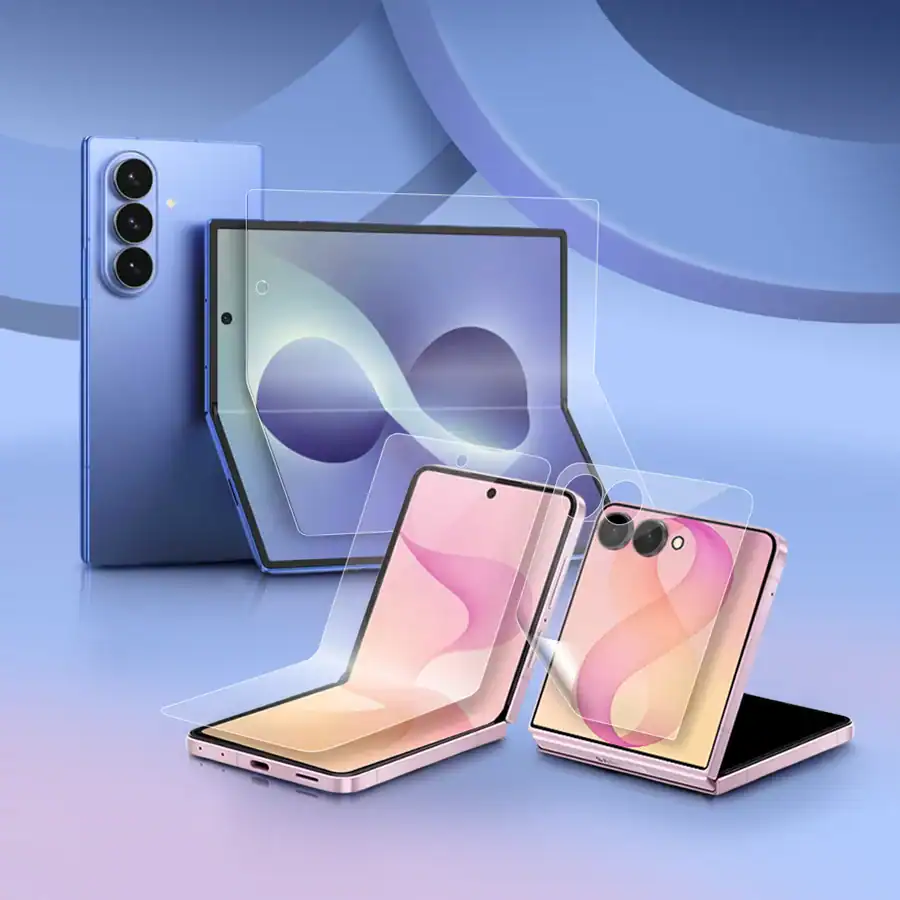
We make and cut every film on our own machines in our own factory, so we can produce any screen size. Our range includes 9H full-coverage tempered glass, matte (AG) tempered glass, hydrogel/TPU film for curved and foldable screens, impact-protection film, blue light filter film, privacy film and TPU film rolls for shops that cut their own.
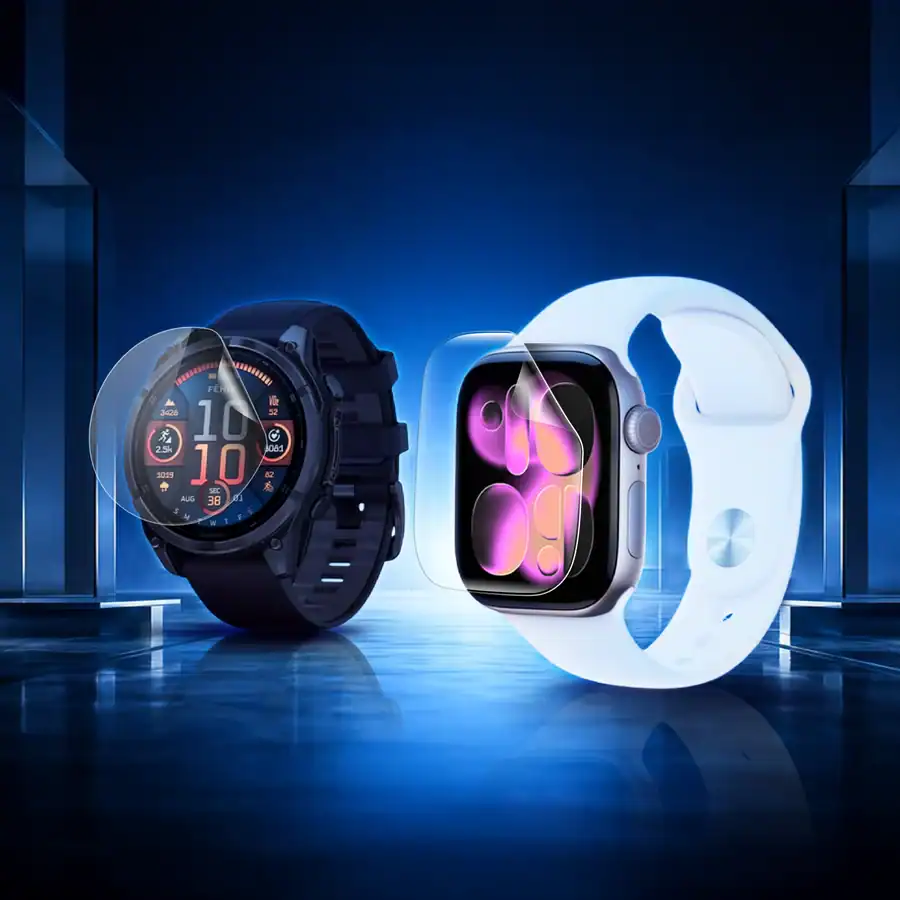
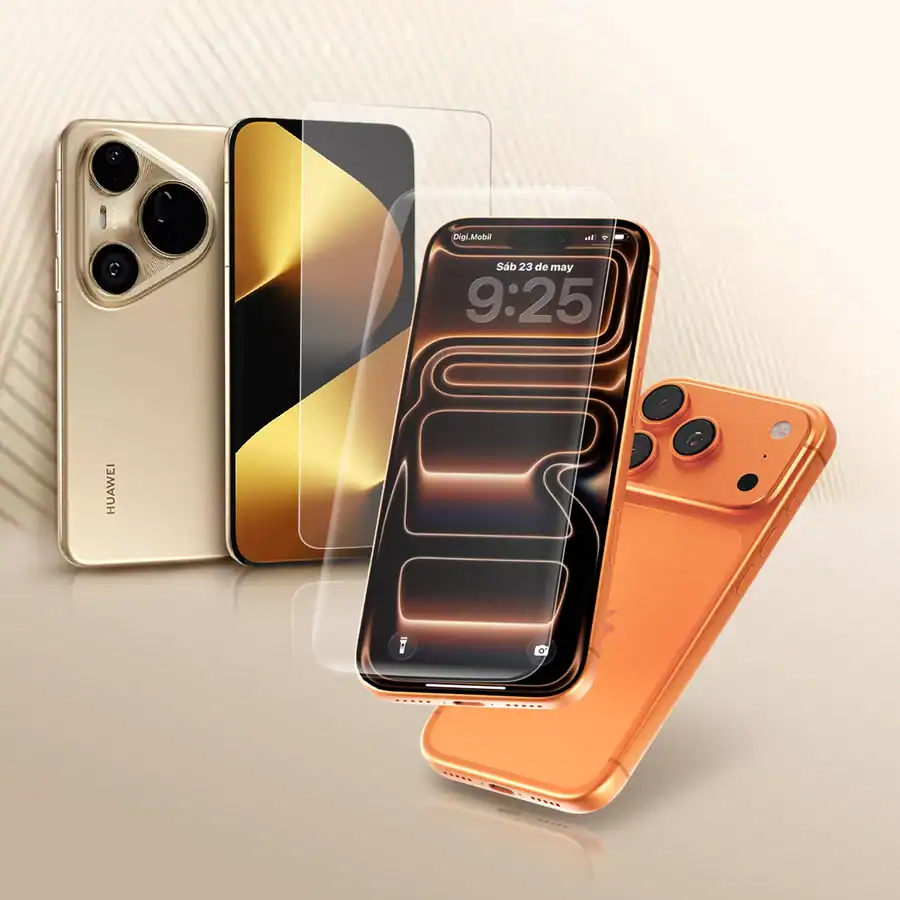
We handle anything from a single piece to large volumes: model-specific phone screen protectors, laptop film in every size, film for flat and curved monitors, smartwatches and car screens, and even large displays for installation projects.
We sell retail and wholesale, with trade prices for resellers, and take OEM/ODM orders made to your spec under your own brand. Tell us the model or screen size and we’ll make it to fit.

Head office: Room 357/1, 3rd floor (next to the car-park lift)
The Street Ratchada, 139 Ratchadaphisek Rd, Din Daeng, Bangkok 10400, Thailand
Tel. +66 87 785 0808
Tax ID 0-1055-58090-05-6



Smart Phone

Samsung


Samsung


Notebook


Smart Phone

Notebook


Notebook


MAXIMUM · FILM PRICE CALCULATOR
Choose your device → enter the size → see prices for every film type instantly
Measure the full screen area where the film will go
e.g. MacBook 13.3" · monitor 27" · TV 55". No need to measure; we estimate the proportions from the device type.
Send us your screen size on LINE and our team will give you a price. We reply quickly.
Get a quote on LINEor call +66 87 785 0808
Measure the full screen, from the far left edge to the far right and from the top edge to the bottom

Enter width × height in centimeters
Scan the QR code with your phone camera, or add LINE ID @maximumshop

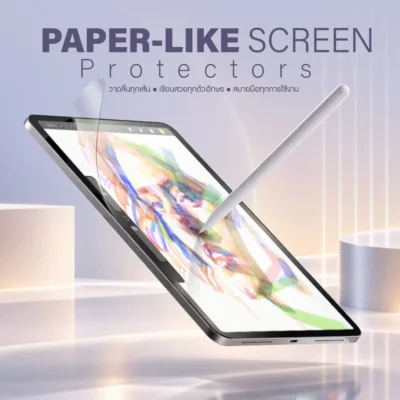
If you’ve ever written on a tablet with a stylus, you know it doesn’t feel like paper. The tip glides across the glass faster than your hand expects, so lines overshoot and handwriting that looks neat on paper comes out wobbly on screen. Paper-like film is made to fix exactly that. This article brings together in-depth information from manufacturers and international reviewers: how paper-texture film works, how it affects the image, what it’s like to use, the pros and cons to know before you buy, and who it suits. What is paper-like film? Paper-like film is a screen protector with a micro-textured top surface [...]
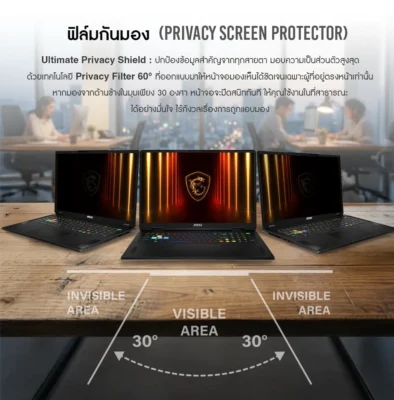
In early 2026 Samsung launched the Galaxy S26 Ultra with a built-in Privacy Display, so people sitting beside you see a dim, unreadable screen from an angle. If the screen can do this on its own, do you still need privacy film? We read international reviews, Reddit threads and Korean user communities [...]

How does the Nano-Texture anti-glare technology on Apple’s Pro Display XDR work, why does it add 35,000 THB to the price, and is it worth it? How is it better than ordinary anti-glare? Here are the answers.

With concern about COVID-19 running high, antibacterial screen film for monitors is popular again. Here’s a look at how it actually works.

Why put film on a laptop, monitor or POS screen? The benefits go further than you might think: scratch protection, less glare, anti-static and more.

Flexible Glass Film is a PET plastic film with a 9H hard-coated surface. It feels like glass but bends instead of cracking or shattering.

Ever wondered what 9H, 3H or 5H hardness on film and glass actually measures? This review explains the method and shows the test.

2015 brought a wave of curved-screen phones. Here’s a look at the types of film and tempered glass that can cover a curved screen edge to edge.
 Add us on LINE
Don’t start with the brand. Start with where the film material comes from: Japan › Korea › China
Worldwide, screen protector quality depends mostly on where the base film is made. Ranked by quality (and price), Japan comes first, Korea second and China third. The same brand can vary in quality if it sources film from different places, so ask the seller where their material comes from. If you want the best, pick Japanese material first and compare brands after that.
If you can’t find a protector for your model at all because it’s very new, quite old or simply not a best-seller, there’s nothing unusual about your device. Film brands only make the popular models. The solution is to have film cut to the exact size of your screen, which MAXIMUM does from a single piece. Our Ultra Clear film uses Japanese material and our anti-glare matte film uses Korean material. We tell you the source up front so you can choose based on facts, the same way we suggest above.
So how can you tell a film is actually good and not just well marketed? The most direct way is to ask for a datasheet with test results to international standards, such as light transmission (ASTM D-1003), surface hardness and adhesion (ASTM D-3330). Sellers who use good material will have these documents. MAXIMUM publishes test results for every film type. Our Ultra Clear film, for example, transmits more than 93% of light with haze below 0.5% and 4H hardness, backed by full ASTM test reports.
It’s not bad luck. In today’s market, shops decide which models get a screen protector.
Tempered glass is mass-produced one model at a time, so shops have to buy large quantities of each model. If a model isn’t popular, they don’t stock it. That’s why the shops, not the customers, decide what you can buy.
Many shops fill the gap with TPU film cut on a plotter instead of holding stock, but TPU has real limitations in both size and quality. If you want film that’s better and cheaper, the answer is PET film cut to the exact size of your screen, which MAXIMUM makes from a single piece in clear, matte, blue light filter and privacy versions. For actual tempered glass, we take OEM production orders of at least 1,000 pieces per design or model for businesses that need volume.
An honest answer from a manufacturer: a screen protector isn’t essential for everyone.
If you’re careful with your device and have no special needs, you can skip it. Film makes sense when you or your device have a particular risk. Maybe you’re a bit careless and your screens scratch easily. Maybe you have a cat or other pet that paws at the screen. Maybe you eat while you work, and food grease builds up on the screen and damages the coating. Or maybe you own a modern ultra-thin laptop whose keys touch the screen when the lid is closed. Over time that leaves key marks on the screen even though you did nothing wrong, and we see it very often on new laptops.
Other people buy film for its specific properties: matte anti-glare film if you work in a very bright room or often work on the go; blue light film if you want long-term eye comfort without the color shift of a software night mode; privacy film for accounting or confidential work. Another common reason is melasma. UV light is a well-known trigger, so many people who sit at a screen all day order UV-blocking film specifically (our matte blue light film blocks about 99% of UV, according to the datasheet). In short, if you’re already careful and none of these apply, you don’t need a screen protector.
It softens the image slightly, but not to the point of looking blurry. We also won’t claim you’ll never see any grain, because that isn’t true.
Matte film diffuses light at the surface to break up reflections (MAXIMUM matte film has about 25% haze). The trade-off is slightly less sharpness than clear film, and on a white background you may notice a faint grain. Ours uses a No Dot texture, which shows much less grain than typical matte film.
A note on materials: MAXIMUM matte film uses Korean material. We didn’t choose it because it’s cheaper. In our tests, Korean matte film matched Japanese film on haze but reflected less light, which is exactly what you want under Thailand’s strong sun. We pick materials by test results for the job, not by country of origin alone.
If glare is your main problem, getting rid of reflections is worth far more than the small loss in sharpness, and the matte surface is also smoother and picks up fewer fingerprints. If your work needs accurate color and sharpness, such as photo editing or graphic design, use Ultra Clear film instead (haze below 0.5%) and deal with glare by repositioning the screen.
Glare comes down to the direction of light. If you can control it, the fix is free. If you can’t, fix the screen.
When you can control where the light comes from, you can solve the problem at no cost: turn the screen away from the window, move the lamp, or close the curtains when the sun comes in. Always try these free fixes first.
In real life, though, you often can’t control the light. The windows are where they are, office desks and lights are fixed, and the sun moves all day, so a spot with no glare in the morning may be full of it by afternoon. When changing the surroundings isn’t realistic, the remaining option is to treat the screen itself with matte anti-glare film, which diffuses light at the surface so reflections break up. For the full details, read our article on fixing LCD screen glare with anti-glare film.
If you switch devices a lot, glasses win. On filtering quality alone, film does better.
If you move between devices often, glasses are the better choice: one pair covers your phone, tablet, laptop and any screen you use away from your desk. Film can’t match that.
But on blue light filtering alone, film performs better, for manufacturing reasons. Lenses have to be ground thin, stay clear and remain light, so they filter roughly 15–20% less blue light than film. Glasses also let light leak in from the sides and around the edges of the lenses. Film filters at the source and covers 100% of the screen (our blue light film cuts more than 85% of blue light, according to the datasheet). And because it’s on the screen rather than on you, everyone who uses that screen benefits.
A simple way to choose: if you work at one main screen most of the day, film is better value and filters more. If you switch devices all day, glasses are more convenient. You can also use both.
Anyone selling it as “no more eye strain” or “prevents eye disease” is overclaiming, and we say that as a manufacturer.
Eye research, including statements from the American Academy of Ophthalmology, shows that most screen-related eye strain comes from habits: staring too long, blinking less and focusing at one distance for hours. It isn’t caused by blue light itself, so film is not a cure that replaces resting your eyes.
So what does blue light film actually do? According to test results, it cuts more than 85% of the blue light from the screen and blocks UV. Research is solid that blue light in the evening disrupts sleep, so people who work at screens late at night benefit the most. There’s also an advantage few people know about: filtering with film doesn’t distort colors, unlike your device’s night mode, which turns the whole screen yellow.
Bottom line: it’s not a scam if you buy it with the right expectations. It really does cut blue light and block UV by the measured amounts, but for tired eyes you also need to change your habits. Take regular breaks and blink more often. Film reduces the strain, but it doesn’t replace rest.
Most of the market stops at 17 inches. MAXIMUM makes privacy film up to 35 inches, and no one else in Thailand does.
Search for privacy film on Shopee or Lazada and nearly everything you find is phone or laptop size, mostly 17 inches or smaller. For large monitors, office screens or customer-facing displays, there is almost nothing available.
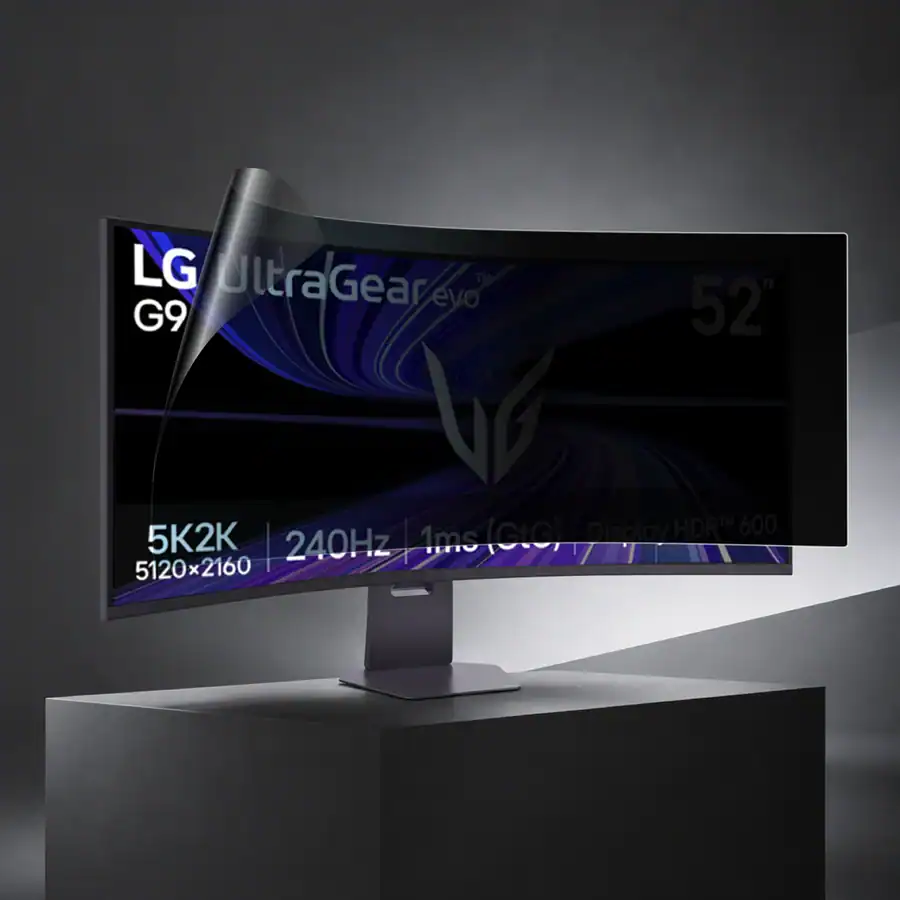
MAXIMUM makes privacy film up to 35 inches, which no other maker in Thailand offers. We cut it to the exact size of your screen from a single piece. It blocks side views from about 60 degrees, keeps the image normal for the person in front (about 85% light transmission) and also filters blue light. It’s a good fit for accounting, finance, HR, service counters or any screen that only the user should see. Check prices with the calculator on our homepage. The table goes up to 35 inches; for anything larger, message us on LINE for a quote.
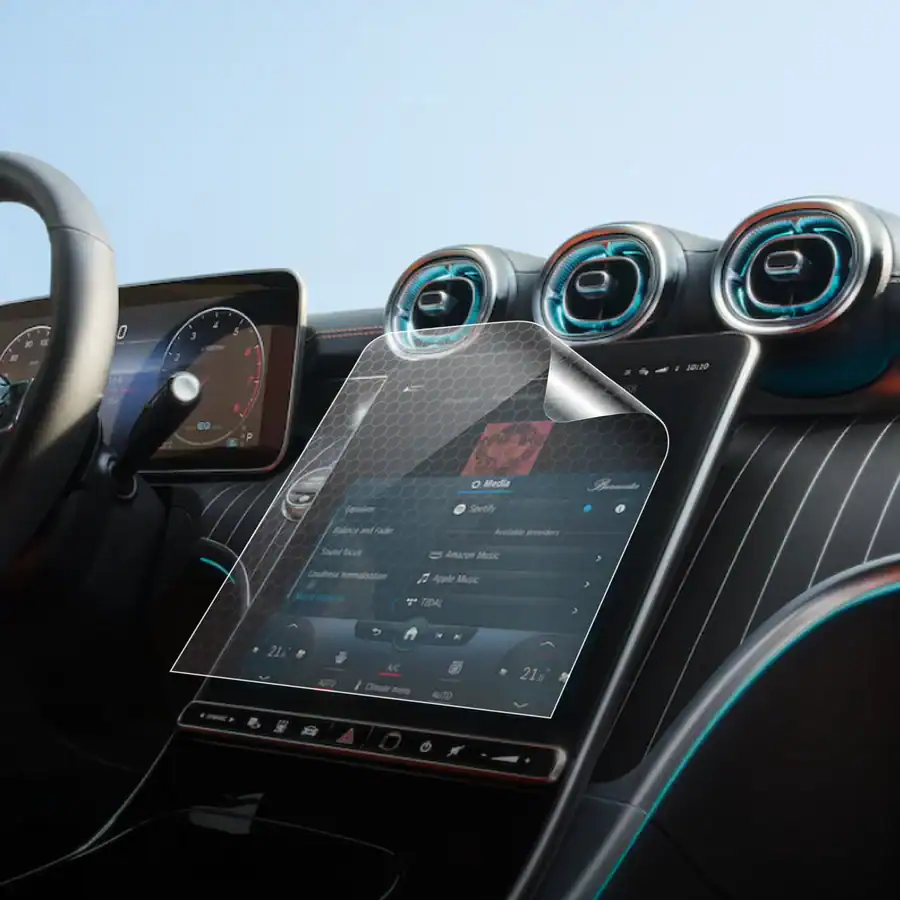
Car screens face the harshest conditions in Thailand. A car parked in the sun can get hotter than 70°C, which is more than ordinary film can handle.
We learned this through car-screen film R&D with a major carmaker and found three problems. The first is heat. In a car parked in the Thai sun, cabin temperatures can exceed 70°C, while ordinary film on the market only handles about 60°C. Car-screen film needs a higher-grade silicone adhesive, and TPU film shouldn’t be used on car screens at all. TPU is a soft film that expands and contracts with temperature, and after daily cycles of extreme heat and cooling, the screen looks hazier over time. The second is glare. Light enters a car from almost every direction, so car screens reflect much more than screens at home. The third is everyday use. The car screen is shared by the whole family, with small kids touching it and food in the car, so it scratches far more easily than a screen used by one person.
MAXIMUM car-screen film is developed from that R&D specifically for Thai conditions (our PET film is rated up to 120°C, according to the datasheet), and carmakers in Thailand have chosen us to produce their film. As for touch, our PET film is only 0.14 mm thick, so the touchscreen works normally. You can order it cut to your car model or screen size from a single piece, and we also supply OEM orders for manufacturers and dealerships.
Measure the width and length in centimeters, covering only the area you want protected. Those two numbers are all we need.
Use a tape measure or ruler to measure the full screen in centimeters, from the far left edge to the far right and from the top edge to the bottom. Our factory automatically leaves a margin of about 1 mm on each side so the film sits neatly without touching the bezel.
If you’re not sure you measured correctly, take a photo of the screen showing where you measured and send it to LINE @maximumshop. Our team will check it before production. We also have a step-by-step measuring guide with pictures.
It’s easier than you think, and you take on no risk: if it goes wrong, bring it to our shop and we’ll replace it and apply it for free.
That’s our installation guarantee. If you misalign it, get bubbles or can’t get it on, bring the film to our shop and we’ll give you a new sheet and apply it for free. We can do this because we make the film ourselves, so you can always try it yourself first and let us fix it if needed.
If you’d rather not do it yourself, you have two options: bring your device to our shop (The Street Ratchada, 3rd floor), or use our on-site installation service for orders of 5,000 THB or more. On-site fees start at 800 THB in Bangkok and Nonthaburi. For other provinces, our team will quote case by case.
For feel alone, most people prefer glass, and as a film manufacturer we’ll admit it.
Glass has the texture and glide closest to a bare screen, which is why most people prefer how it feels.
But the real question isn’t which one is better. It’s whether tempered glass is even available for your model. Glass is mass-produced for specific models and shops have to carry the stock, so you’ll only find it for popular or newly released models. If your device isn’t one of them, the option you actually have is PET film cut to size. You give up the feel of glass, but you get things glass can’t offer: a choice of properties (matte, blue light filter or privacy), a thinner profile, no risk of shattering, and availability for any model and size from a single piece.
Most brands you see for sale don’t make their own film. There are only two or three truly Thai factories in the whole country.
Here’s something most people outside the industry don’t know: most screen protector brands you see advertised are made in China and rebranded. Thai-owned factories that actually produce film number no more than two or three nationwide, and they usually won’t take OEM work unless the order is very large. That’s why small businesses find it so hard to get film made under their own brand.
MAXIMUM is one of the few Thai manufacturers still in production, and what makes us different is that we accept small orders. We’re set up for SMEs and organizations that want their own branded film or a custom spec without ordering tens of thousands of pieces. PET film has no minimum order. Tempered glass starts at 1,000 pieces per design or model. Send us your requirements on LINE @maximumshop.
Yes to both. Past projects include BTS Skytrain · BYD · Suvarnabhumi Airport · King Chulalongkorn Memorial Hospital
We have an on-site installation team for large screens and high-volume jobs. Past work includes BTS Skytrain information screens, BYD car screens, displays at Suvarnabhumi Airport and King Chulalongkorn Memorial Hospital. On-site service is available for orders of 5,000 THB or more, with fees starting at 800 THB in Bangkok and Nonthaburi. Other provinces are quoted based on the site.
We also handle the paperwork organizations need: a quotation before you order and a full tax invoice (InnovaplusMaximum Co., Ltd. is VAT-registered). Send the number of screens and the location to LINE @maximumshop and we’ll send you a quote.


